

wholesale tempered glass panels
The Importance of Machinist Gauge Pins in Precision Engineering In the realm of precision engineering, the importance of accuracy cannot be overstated. One of the fundamental tools that aid machinists in achieving the utmost precision is the gauge pin. Machinist gauge pins, also known as setting pins or gauge blocks, are cylindrical rods made to precise dimensions that serve as essential instruments in various measurement and alignment tasks. Their applications span a wide range of industries, including manufacturing, automotive, aerospace, and more. Understanding Gauge Pins Gauge pins are typically manufactured from high-quality steel or carbide, ensuring durability and resistance to wear. They come in standardized sizes and are often sold in sets, allowing machinists to select the appropriate pin for their specific needs. The precision of these pins is critical; even a slight deviation in size can lead to significant errors in measurements, which could propagate through the entire manufacturing process. This is why gauge pins are tested and certified to meet strict tolerances, often conforming to standards such as ISO, ASTM, or other relevant engineering specifications. Applications in Precision Engineering One of the primary uses of machinist gauge pins is in the inspection of hole sizes and alignments. For instance, a machinist may use a gauge pin to check the diameter of a drilled hole in a component . By inserting a gauge pin of a specified diameter, they can easily determine whether the hole meets the required specifications. If the pin fits snugly, it indicates the hole is the correct size; if it does not fit, adjustments can be made before moving forward with production. machinist gauge pins Moreover, gauge pins are instrumental in the setup and alignment of machinery. During the alignment of machine parts, machinists can use gauge pins to establish reference points. This practice ensures that components are correctly positioned, which is vital for the operation of CNC machines and other precision equipment. By using pins of known dimensions, machinists can establish accurate measurements, facilitating the overall assembly process. Benefits of Using Gauge Pins The benefits of utilizing machinist gauge pins extend beyond mere accuracy. They contribute to quality control by providing a straightforward method for verifying dimensions throughout the manufacturing process. This, in turn, minimizes the risk of producing defective parts, which can be costly in terms of both time and resources. Additionally, gauge pins are a cost-effective solution for maintaining precision. Once a set of gauge pins is purchased, they can be used repeatedly in various applications, making them a valuable investment for any machining workshop. Their robustness and repeatability ensure that machinists can rely on them for years, reducing the need for frequent replacements. Conclusion In conclusion, machinist gauge pins are indispensable tools in precision engineering. Their role in measurement, alignment, and quality control cannot be overlooked. As the manufacturing industry continues to emphasize precision and quality, the use of gauge pins will remain a cornerstone of effective machining practices. As technology advances and new machinery emerges, the need for rigorous standards and accuracy will only intensify, making machinist gauge pins more relevant than ever in the quest for superior engineering solutions. Whether in industrial settings or smaller workshops, these simple yet profound tools will continue to play a vital role in ensuring that precision engineering meets modern demands.
about
wholesale tempered glass panels
Understanding Gate Valves A Focus on 2-inch, 1-inch, and 16-inch Models Gate valves are integral components in various industrial applications, serving as a means to start or stop the flow of liquids and gases. Their simple design and reliable functionality have made them a popular choice in many sectors, including oil and gas, water treatment, and chemical processing. In this article, we will explore gate valves with a focus on the specific sizes of 2-inch, 1-inch, and 16-inch models, discussing their uses, advantages, and crucial considerations for selection and maintenance. Design and Functionality of Gate Valves Gate valves are characterized by a parallel-sided or wedge-shaped gate that, when lifted, allows for the unrestricted flow of fluid. This design enables a gate valve to provide minimal pressure drop, making it highly efficient for applications where a full, unobstructed flow is necessary. Typically operated by a handwheel or actuator, gate valves are ideal for on/off service rather than throttling, which is better suited to other valve types like globe or ball valves. 2-Inch Gate Valve The 2-inch gate valve is a common size for many residential and small industrial applications. This valve provides a balance between size and flow capacity, making it suitable for water supply lines, irrigation systems, and HVAC applications. Its compact nature allows for easy installation in tight spaces. Moreover, the 2-inch model can handle a moderate volume of pressure and flow, making it effective for operational requirements in smaller systems. The 2-inch gate valve is available in various materials, including brass, stainless steel, and cast iron, allowing users to select a valve that best suits their specific application needs in terms of durability and corrosion resistance. Proper installation and regular maintenance—such as periodic checks for leaks and operational tests—are essential for ensuring its longevity and reliable performance. 1-Inch Gate Valve gate valve 2 1 16 The 1-inch gate valve is often deployed in applications requiring precise control over smaller flow rates. This valve size is frequently used in residential plumbing, where it can function effectively in systems managing potable water or cleanliness-sensitive fluids. Its reduced size allows for easier handling and installation in cramped spaces, making it a popular choice for DIY projects and home repairs. In industrial contexts, the 1-inch gate valve is employed for control in ancillary processes or as part of a larger piping network. While it may not handle high flow rates like larger valve sizes, its ability to create a secure seal when fully closed is invaluable in preventing leaks and ensuring system integrity. 16-Inch Gate Valve In contrast, the 16-inch gate valve represents a heavy-duty choice for large-scale industrial applications. Commonly found in water treatment plants, mining operations, and oil pipelines, this valve is engineered to manage high flow volumes and significant pressure ratings. Its substantial size allows it to provide efficient control over large fluid movements, making it indispensable in large infrastructure projects. The 16-inch gate valve's construction must withstand demanding conditions, often requiring materials with high tensile strength and resistance to corrosive elements. Regular maintenance practices, including routine inspections and testing of sealing surfaces, are critical for these valves to ensure they function effectively over time. Users should pay particular attention to factors such as wear and tear, especially in applications where the valve operates frequently. Choosing the Right Gate Valve Selecting the appropriate gate valve size is crucial for system efficiency and reliability. Factors to consider include the type of fluid being handled, temperature and pressure conditions, and the overall design of the piping system. Additionally, users must assess the compatibility of the valve material with the fluid to prevent deterioration and ensure long service life. In summary, gate valves, whether 2-inch, 1-inch, or 16-inch, serve vital roles across various industries. Each size has its unique applications and advantages, making them versatile tools for controlling fluid dynamics. Proper selection based on operational needs, coupled with steadfast maintenance, will ensure these valves perform at their best, contributing to the overall efficiency and safety of fluid transport systems.
-

High quality industrial productsagement

High quality industrial products
View Details -

Meet the diverse needs of customers

Meet the diverse needs of customers
View Details -

Strict quality control

Strict quality control
View Details -

Top raw materials

Top raw materials
View Details -

Trusted supplier

Trusted supplier
View Details
Our application

news and information
Vannventil for kontroll av vannstrøm og trykkregulering
Vannventilens Rolle i Vannfordeling Vann er en av de mest essensielle ressursene på jorden, og forva
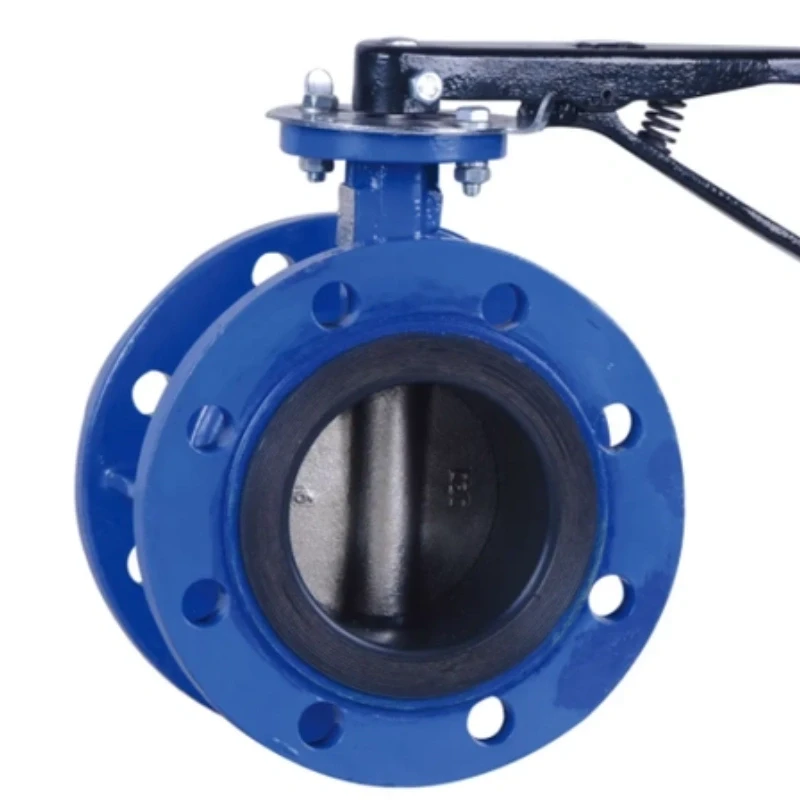
Valve manufacturing plant creating innovative products for industrial applications.
Valve Factory The Heart of the Manufacturing Process Valve factories play a crucial role in the man
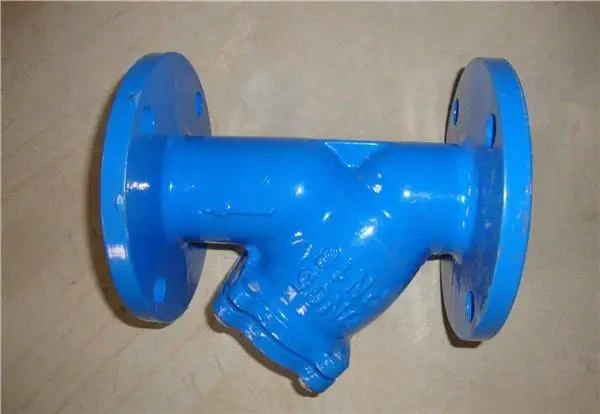
various types of control valves
Various Types of Control Valves Control valves are critical components in a range of engineering app
 English